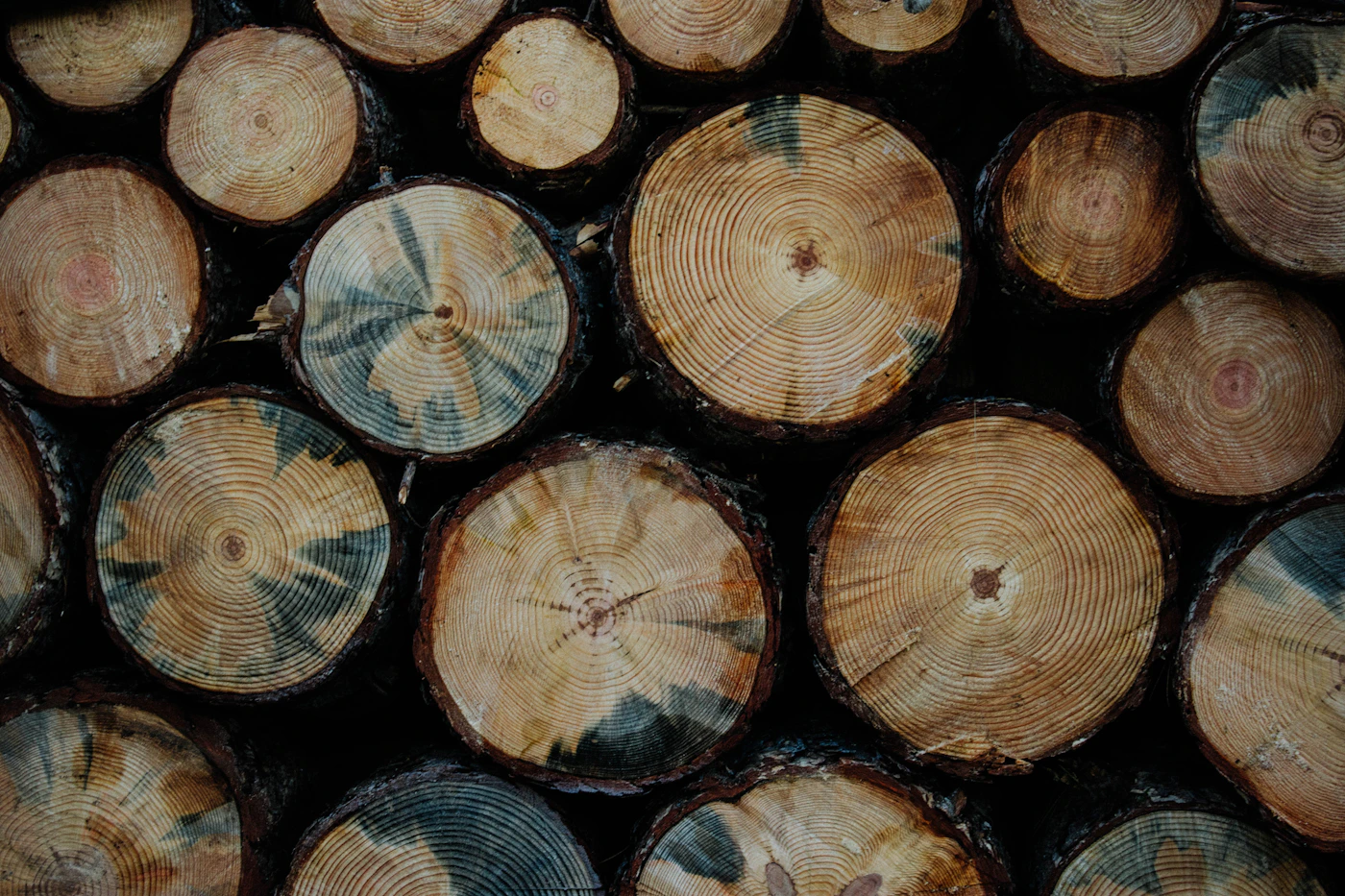
It's a question my musician friends and workshop visitors ask me often: does wood really change the sound of an electric guitar? After all, pickups capture string vibrations — not wood vibrations. So why does it matter?
In reality, wood influences the way strings vibrate. A denser wood absorbs harmonics differently, modifies sustain, and colours the response in the lows and highs. It's not as dramatic as swapping pickups, but it's a real part of a guitar's sonic identity. Luthiers don't choose their tonewoods at random — and neither do the big brands.
A bit of physics first
Density is the key factor. The denser a wood, the harder it is, and the more precisely it transmits high frequencies while extending sustain. A light, porous wood will instead absorb some of the vibrations, softening the overall sound.
There's also the wood's own resonance: each species favours certain frequencies and attenuates others. That's why two identical guitars built from wood sourced from different trees can sound different — even with the same pickups.
The most common body woods
Alder
Alder is Fender's go-to body wood. The standard Stratocaster and Telecaster are the most well-known examples. Alder is lightweight, easy to work with, and delivers a very balanced sound across all frequencies. It doesn't particularly emphasise the lows or highs — which is precisely its strength: it adapts to any style. The tone is clear, dynamic, with a midrange presence that adds definition.
Ideal for: blues, rock, funk, country, pop
Mahogany
Mahogany is Gibson's signature wood. It's used for the body and neck of the Les Paul, SG, and many other models. Its tonal character is the opposite of alder: warm, fat sound with lots of sustain and a strong low-mid presence. The highs are soft and round. To compensate for that lack of brightness, a maple top is often paired with it — which is exactly what Gibson does on the Les Paul Standard.
Worth noting: there are many varieties of mahogany (Honduran, African…) that don't sound quite the same, and whose acoustic properties vary considerably.
Ideal for: rock, hard rock, blues, jazz
Maple
Maple is a dense, hard wood that brings attack, bite and very long sustain. The tone is clear and precise, with good projection. It's what balances the mahogany in a Les Paul: it provides the brightness and articulation that mahogany alone doesn't deliver. Maple is also widely used for necks (especially Fender) and as a fretboard, where it gives a snappier, more precise sound.
It's a wood I have a particular fondness for — and flamed, quilted or bird's-eye maple tops are among the most beautiful materials one can work with in lutherie.
Ideal for: rock, metal, fusion, any style that demands attack
Ash
Ash is the sound of the 1950s Telecaster. Its character is distinctive: very pronounced attack, dry and snappy tone, bright and biting highs. Sustain is shorter than maple or mahogany. It's not a wood for everyone, but it has a unique, immediately recognisable character. There's a distinction between northern ash (very dense, more acidic highs) and swamp ash (lighter, warmer, more "woodsy").
Ideal for: country, blues rock, vintage tones
Basswood
Lightweight and easy to work with, basswood has a genuine place in electric lutherie. Its tone is soft and warm, with well-present mids — it leaves plenty of room for the pickups, which makes it a coherent choice for guitars with a strong electronic personality. Joe Satriani and John Petrucci have used it on some of their signature models. As with many species, it all comes down to selection: good European basswood can come close to alder, with a slightly warmer character.
Ideal for: rock, metal, electronically-driven guitars
Neck and fretboard woods
The neck and fretboard also have an influence, particularly on clarity and high-frequency response.
- Maple fretboard: snappier, more precise, pronounced attack. Classic Fender all-maple necks are the reference.
- Rosewood fretboard: rounder, warmer, more "vintage" sound. Found on the majority of Strats and Telecasters outside the maple series.
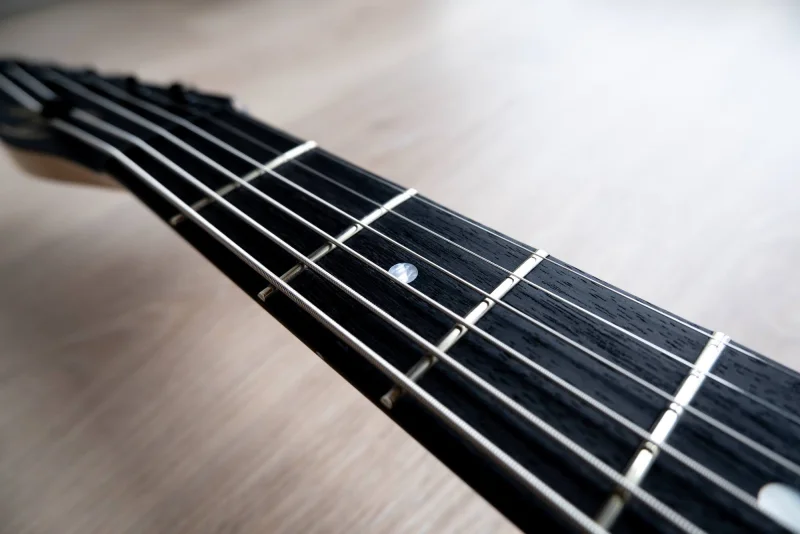
- Ebony fretboard: very precise, clear, good sound conduction. Used on high-end instruments (PRS, Gibson Custom Shop…).
Concrete examples
- Fender Stratocaster: alder body / maple neck / maple or rosewood fretboard — balanced, clear, dynamic tone
- Gibson Les Paul Standard: mahogany body + maple top / mahogany neck / rosewood fretboard — warm, fat tone, long sustain
- Vintage 1950s Telecaster: ash body — dry, snappy, highly characterful tone
- Gibson SG: mahogany body without maple top — even warmer and more "nasal" than the Les Paul
Quick summary
- Alder — Balanced tone, present mids, dynamic. Versatile. Lightweight.
- Mahogany — Warm, fat tone, long sustain. Low mids. Can lack brightness.
- Maple — Bright tone, strong attack, long sustain. Dense.
- Ash — Dry, snappy tone, pronounced highs. Very characterful, vintage.
- Basswood — Soft and warm tone, present mids. Lightweight, very pickup-transparent.
Conclusion
Wood isn't the only factor that determines the sound of an electric guitar — pickups, wiring, the amp, and of course the player's touch all matter just as much, if not more. But it is part of the equation.
When I build or set up a guitar, the choice of wood is a decision made early on, based on the target sound, playing style, and the instrument we want to create. Two pieces of wood from the same species can already sound different — that's part of what lutherie is all about.